Атрадиус Атриум
Получете директен достъп до информация за Вашата полица, инструменти за кандидатстване за кредитен лимит и информация.

 България
 Австралия
 Австрия
 Белгия
 Бразилия
България
Бразилия
България
 Германия
 Група
Група
 Гърция
 Дания
Дания
 Индия
Индия
 Ирландия
 Испания
 Италия
 Канада
 Китай
Китай
 Литва
Литва
 Мексико
 Нидерландия
 Нова Зеландия
 Норвегия
 Обединени арабски емирства
 Обединеното кралство
 Полша
Полша
 Португалия
 Румъния
 Сингапур
 Словакия
 Словения
 Съединени щати
 Турция
 Унгария
 Финландия
 Франция
 Хонконг
 Чешка република
 Швейцария
 Швеция
 Япония
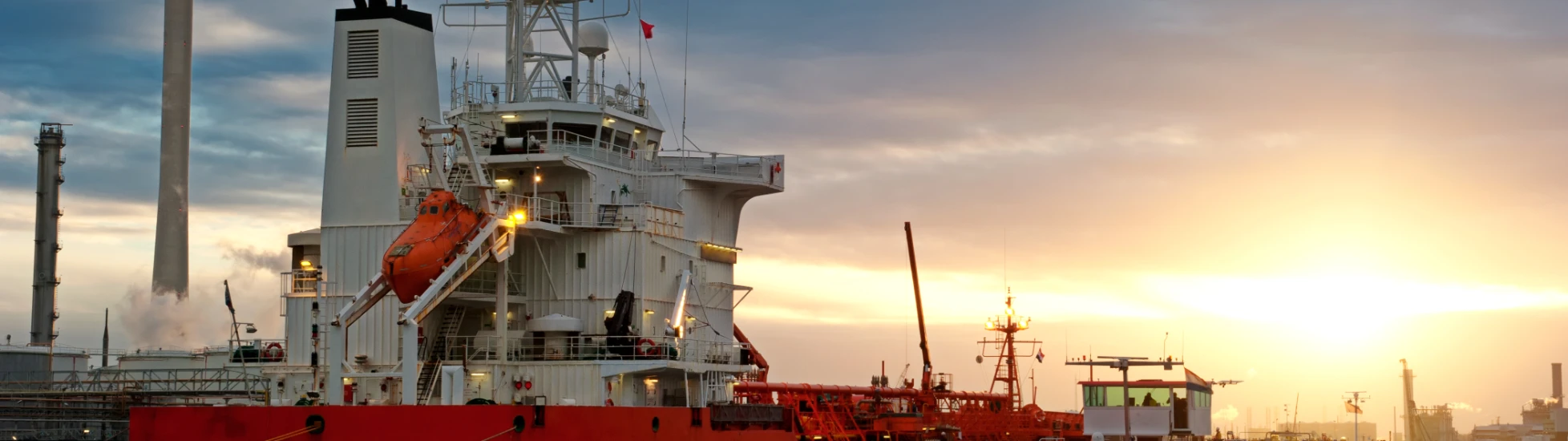
The closure of the Strait of Hormuz continues to weigh on the global economy, with little hope of a full reopening in sight. Atradius and Oxford Economics currently predict that global GDP growth will be 0.5 percentage points lower in 2026 than it would have been had the Strait remained open.
The Strait’s continued closure is a reminder of our reliance on the uninterrupted flow of commercial shipping. It also highlights how bottlenecks at critical trade routes can quickly spread beyond the transport sector, affecting costs, production, cash flow, and business confidence across the global economy. Hormuz is a “chokepoint”, a narrow water channel that moves huge amounts of global trade. It is not the only one, and it is not even the most important in terms of the volume of goods moving through the passage. Chokepoints matter not only because they move goods, but because they act as channels through which geopolitical and climate shocks spread through supply chains and into the wider economy.
There are around 30 critical chokepoints around the world, from the English Channel to the Taiwan Strait. Most are natural geographical features: narrow channels pinched between landmasses. But two, the Panama and Suez canals, are manmade.
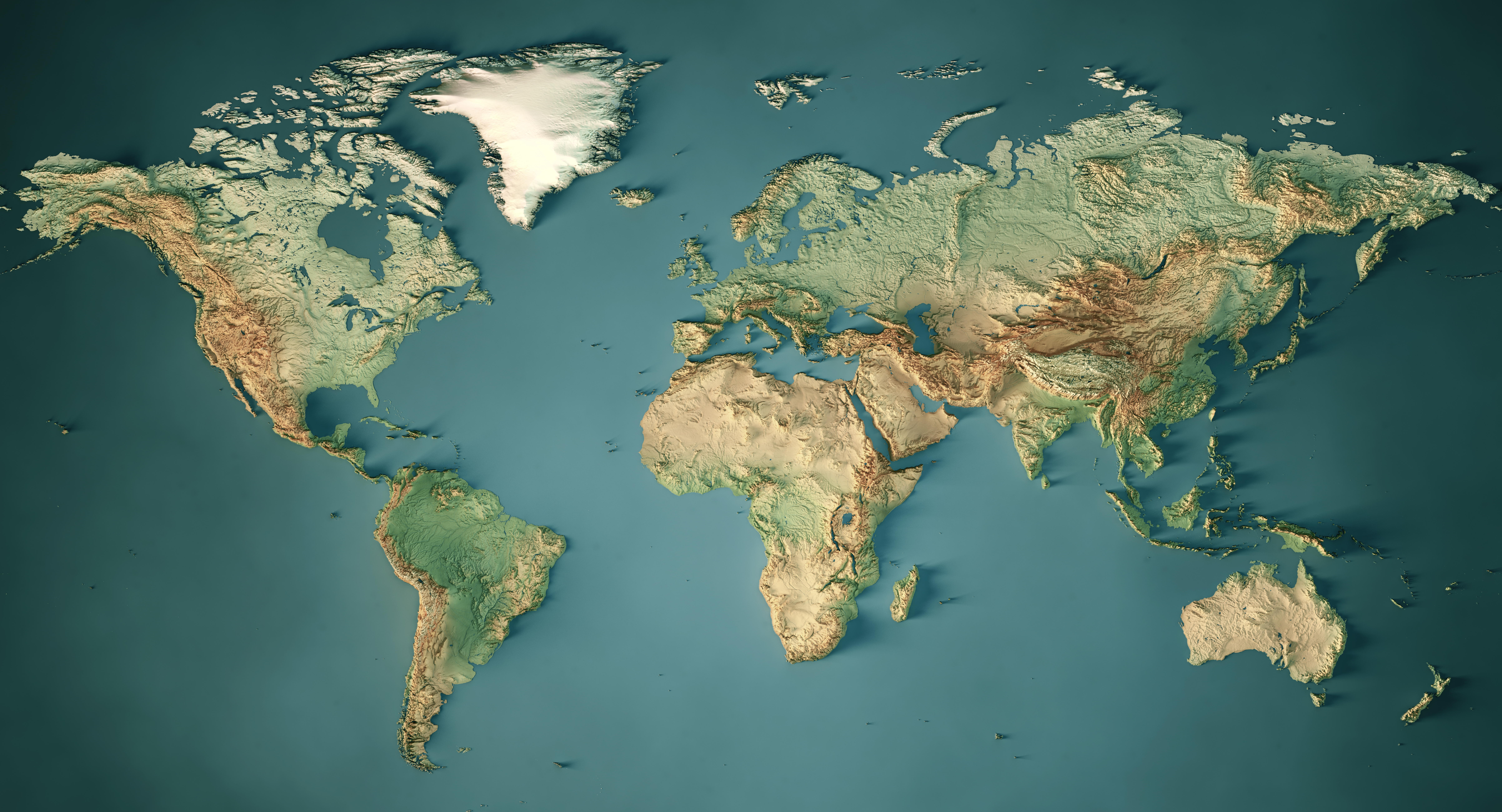
Some chokepoints are more important to global trade than others, and some more obviously vulnerable to disruption. But vulnerability is increasing everywhere, because of growing geopolitical tensions, accelerating climate change, or both. Each chokepoint has the potential to increase uncertainty, costs, and transit times, undermining international commerce. What begins as a logistics constraint can ultimately become financial pressure for businesses, affecting working capital, payment behaviour, and credit risk throughout supply chains.
When supply chains are threatened, businesses try to stay in control by diversifying suppliers. That’s sensible, but no longer enough. Supply chain managers need to know the routes goods take to market as well as their point of origin and prepare alternatives. Businesses need to bolster resilience against the impact of shipping lane disruption on costs, margins, cash flow, and delivery performance.
The war between the US and Iran and, with it, the effective closure of the Strait of Hormuz has caused a global emergency. Around 25% of global oil trade by water passes through the narrow 100-mile channel connecting the Persian Gulf with the Gulf of Oman, but the consequences are not limited to energy markets. Rising costs and disrupted trade flows can spread through supply chains, increasing financial pressure on companies far removed from the region itself. Energy prices have jumped and inflation is rising around the world. An early end to the crisis feels unlikely while the combatants continue to trade rockets and bile.
Hormuz is one of many chokepoints, critical to the smooth flow of global trade. Asia is home to several. Nearly a quarter of global trade passes through the Malacca and Taiwan Straits. In the Middle East, the Bab-el-Mandeb is part of the primary Middle Eastern shortcut for shipping moving between Europe and Asia, handling millions of barrels of oil a day. Further north, around 5% of trade moves through the Bosphorus, a narrow strait connecting the Black Sea and the Sea of Marmara on the border of Europe and Asia.
Supplier diversification may not be enough if goods from different businesses rely on the same vulnerable transport routes
But vulnerability is not limited to narrow waterways. The growing concentration of global trade through a relatively small number of mega-ports creates additional bottlenecks that can amplify disruption when strikes, cyberattacks or extreme weather affect operations.
Many chokepoints are highly vulnerable to rising geopolitical tensions. To the south of Hormuz, the Bab-el-Mandeb is part of the approach to the Suez Canal. When Yemeni Houthis threatened safe passage in 2023 and 2024, ships had to be rerouted around the Cape of Good Hope, adding thousands of miles to journeys between Asia and Europe. The Houthis are Iranian allies and have been ramping up attacks on Red Sea shipping in recent weeks.
Elsewhere, Russia’s invasion of Ukraine continues to strain Black Sea trade routes. In Asia, rising tensions between China and Taiwan, and in the South China Sea have the potential to impact some of the world’s busiest shipping lanes.
Increasing attention is also being paid to undersea cable infrastructure. Damage to critical communications links can disrupt financial transactions, logistics systems, and digital trade, creating economic impacts that extend beyond the movement of physical goods.
Against this background, Iran’s closure of the Strait of Hormuz should serve as a warning. Chokepoints are more than vulnerable locations on a map. The waning of Pax Americana, and the reduced willingness and ability of the US to help enforce maritime security worldwide, threatens freedom of navigation. As nations scramble for influence, the chances of conflict (diplomatic, military, or trade) increase. In these circumstances, chokepoints become instruments of leverage rather than accidents of geography.
“Increasingly, chokepoints are assets to be controlled, taxed, or threatened,” says Christian Bürger, Senior Editor at Atradius. “Blocking access to them has become easier. Cheap technology like drones and easier access to missiles is extending the reach of armed groups farther out to sea. Any future agreement imposing tolls or duties on ships passing through the Strait of Hormuz would create a serious precedent.”
Increasingly, chokepoints are assets to be controlled, taxed, or threatened
Geopolitical tensions ebb and flow as leaders and administrations change. But conflict is not the only threat to the world’s critical chokepoints. Natural disasters and extreme weather have always been with us, but climate change is making them worse.
Low water levels in the Panama Canal are the result of a strengthening El Niño combined with long-term warming. The canal authority has already cut vessel drafts five times in 2026, which means ships have to carry lighter loads at higher costs. Some are rerouting around Cape Horn, the very journey the canal was built to avoid.
Meanwhile, Typhoon Bavi closed several Chinese ports in July, creating shipment delays of up to five days. As the planet heats up, severe weather events are only becoming more common.
While climate change is creating disruption in some shipping channels, it is bringing others online. For example, the Northern Sea Route along Russia's Arctic coast is becoming more viable as temperatures rise and is increasingly viewed by Russia and China as an alternative corridor between Asia and Europe.
Chokepoints are vulnerable for different reasons, and the degree of risk to supply chains is also uneven. Threats to the global economy due to chokepoint bottlenecks depend on the degree of disruption, the volume and value of goods using the channel, and the availability of alternative routes. But the situation is complex.
For example, if the Red Sea is closed or threatened, ships travelling to Europe from Asia are rerouted around Southern Africa, adding weeks to journey times. If the Strait of Malacca were to close, the Sunda or Lombok Straits are much less onerous alternatives.
Chokepoints are vulnerable for different reasons, and the degree of risk to supply chains is also uneven
But while these diversions exist, they don’t mitigate all risks. Longer shipping routes increase transport costs, extend delivery times, and tie up goods in transit for longer. This increases inventory financing needs, places pressure on working capital, and can weaken liquidity across supply chains. A regional conflict could easily close Malacca as well as its alternatives. Malacca is also the approach to a number of major ports which together handle around a quarter of global transhipments. Key shipping hubs like Singapore and Tanjung have far more capacity and far better infrastructure than ports on secondary routes. Malacca is the world’s busiest strait (by traffic value) for good reason.
Modern supply chains ensure that exposure to chokepoint risks quickly stack up. As delays accumulate across multiple transport routes, supply chain pressures can affect production schedules, postpone invoicing, and slow the flow of cash between businesses.
A single journey from China to Northern Europe would normally mean navigating six narrow straits, from Taiwan to Gibraltar. Many of these are facing increased risk of disruption.
Taken together, threats from conflict, trade disputes, and climate change are likely to mean growing bottlenecks across global supply chains. Exporting nations will not stand idly by as their economies suffer, but they have limited options in the short- to medium-term.
Gulf oil producers are already exploring ways to reduce reliance on the Strait of Hormuz, but building new roads and pipelines takes time and money. Capacity is also an issue; around 80% of global merchandise moves by sea.
In the meantime, cross-border businesses need to recalibrate their supply chain management to take the potential for chokepoint disruption into account. Supplier diversification may not be enough if goods from different businesses rely on the same vulnerable transport routes.
“Disruptions at key shipping chokepoints can increase transportation, logistics, and inventory costs, putting pressure on margins and cash flow,” says Theo Smid, Senior Economist at Atradius. “Longer transit times can make demand forecasting more difficult, increase working capital requirements, and reduce the reliability of deliveries. Businesses may also face greater exposure to customer payment delays if disruption impacts their customers' operations and financial performance.”
Businesses may face greater exposure to customer payment delays if disruption impacts their customers' operations and financial performance
Businesses often experience these pressures through changes in payment behaviour. Customers facing operational disruption may request longer payment terms, delay settlement of invoices, or experience a deterioration in financial performance. In this way, shipping disruptions can evolve into broader credit risks.
The sectors most vulnerable to shipping chokepoint disruption are those that rely on global supply chains and just-in-time deliveries. They are not necessarily those closest to the chokepoint, but those most dependent on uninterrupted global trade flows.
For example, delays in the arrival of components and raw materials can disrupt manufacturing production schedules. Automotive companies are heavily dependent on cross-border supply chains, and retailers are vulnerable to shipping delays, inventory shortages and higher freight costs.
Electronics and technology firms rely heavily on shipments through the Taiwan and Malacca Straits. Closure of the Strait of Taiwan would seriously impact the high-tech sector in Europe and the US because of Taiwan’s near monopoly on the production of the most advanced semiconductors.
Agriculture and construction businesses need timely and cost-effective deliveries of fertilisers, aggregates, and other materials. The pharmaceutical sector is sensitive to delays in the shipment of critical ingredients.
Transport and logistics businesses are most immediately affected by chokepoint stress. Rising operating costs have to be absorbed or passed on to customers. Route changes have to be managed. Delays create ongoing challenges around human resource management and customer communications.
.2026-09-10-13-29-44.jpg)
While the effects vary by sector, chokepoint disruption can have consequences far beyond logistics, influencing operational performance, financial resilience, and customer relationships. But there are ways to mitigate risk and even create competitive advantage.
Companies with a keen awareness of their transport routes can identify vulnerabilities earlier and respond more effectively to disruption. Understanding where supply chains intersect with critical chokepoints can also help businesses anticipate potential impacts on costs, liquidity, and customer payment performance. Credit insurance protects cash flows and creates confidence despite an increasingly uncertain trading environment.
Conflict, climate change, and trade disputes are increasing pressure on the world's critical trade routes. For businesses, understanding where supply chains intersect with these chokepoints is no longer simply a logistics concern, it is a strategic and financial one. Companies that can anticipate disruption and adapt quickly will be better positioned to protect liquidity, maintain continuity and build resilience in an increasingly uncertain trading environment.
To explore how to strengthen your own credit risk strategy, get in touch with us and see how we can help you stay ahead.


